

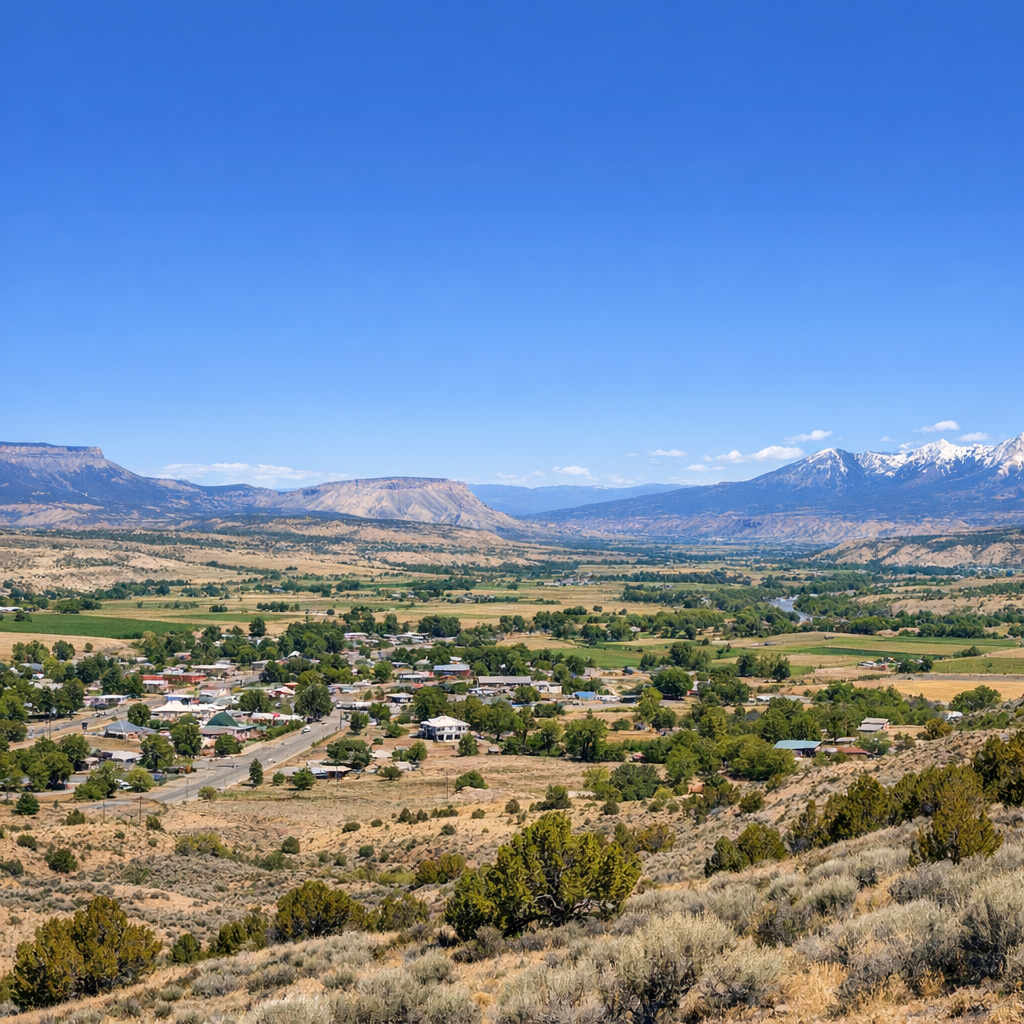
Hotchkiss, Colorado, nestled in Delta County, experiences a cold semi-arid climate, characterized by distinct seasonal variations and relatively low annual precipitation. Understanding these patterns is essential for residents to prepare for the year’s weather conditions.
Temperature Trends
Throughout the year, Hotchkiss’s temperatures fluctuate significantly:
- Winter (December to February): Average high temperatures range from 28.2°F (-2.1°C) in January to 30.2°F (-1°C) in February, with lows dipping to 9.9°F (-12.3°C) in January. These months are typically the coldest, often bringing subzero temperatures.
- Spring (March to May): Temperatures gradually rise, with average highs reaching 57.9°F (14.4°C) in May. Springtime also sees an increase in precipitation, averaging 1.02 inches in May.
- Summer (June to August): The warmest period, with July’s average high at 76.6°F (24.8°C). Despite the warmth, summer nights remain cool, with lows around 50°F (10°C).
- Autumn (September to November): Temperatures decline, with November’s average high at 40.6°F (4.8°C). Precipitation is relatively consistent, with October averaging 1.23 inches.
Precipitation and Drought Conditions
Hotchkiss receives an average annual precipitation of approximately 10.67 inches, with October being the wettest month, averaging 1.23 inches. The region’s semi-arid climate contributes to periodic drought conditions, which can impact agriculture and water resources. Staying informed about current drought statuses is crucial for water conservation efforts.
Environmental Considerations
Residents should be aware of environmental factors affecting the area:
- Water Quality: The local water system has recorded 34 violations, including three health-based violations, as of July 2025. Regular monitoring and appropriate filtration can help ensure safe drinking water.
- Fire Risk: The combination of low humidity, dry fuels, and gusty winds, especially during warmer months, elevates the risk of wildfires. Adhering to fire safety guidelines and staying updated on fire weather warnings is essential.
By understanding Hotchkiss’s climate patterns and environmental factors, residents can better prepare for seasonal changes and contribute to the community’s resilience against environmental challenges.