

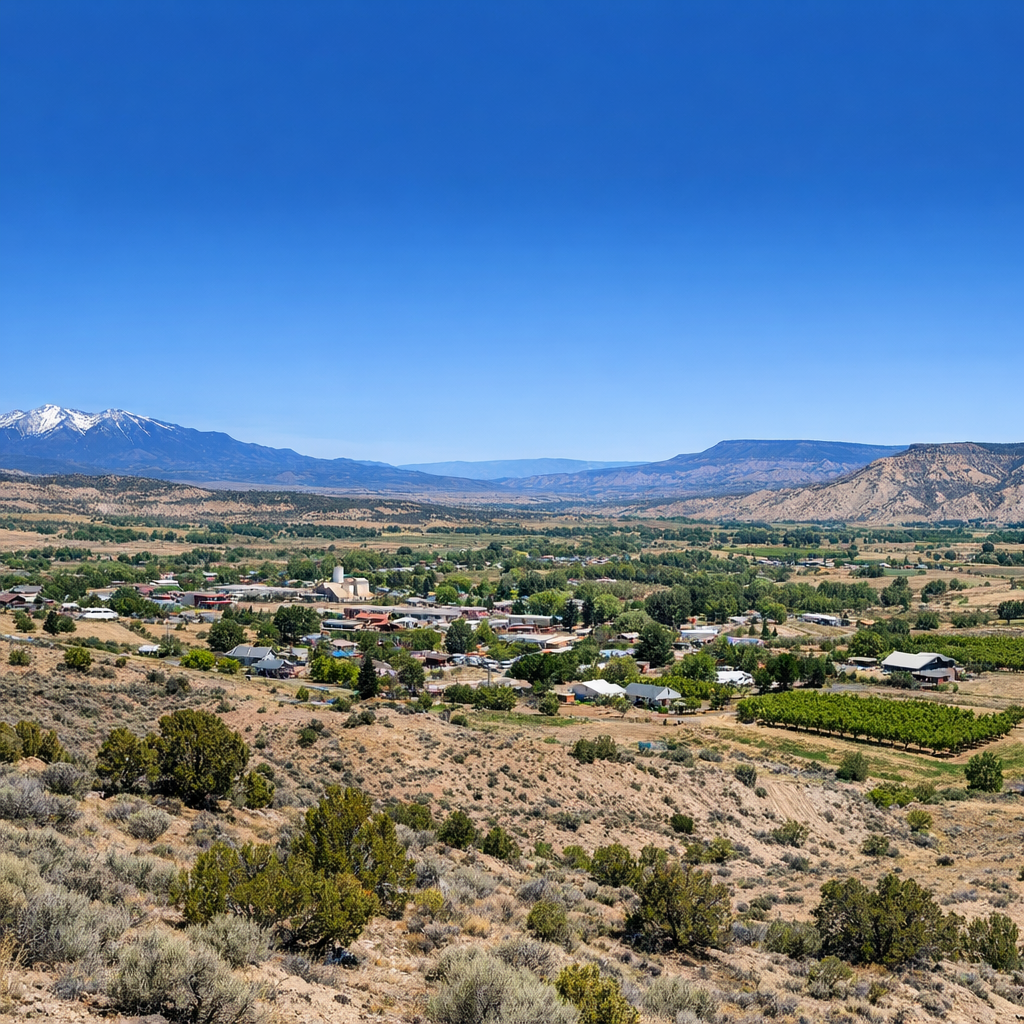
Hotchkiss, Colorado, nestled in the North Fork Valley, experiences a cold semi-arid climate, characterized by distinct seasonal variations and relatively low annual precipitation. Understanding these patterns is essential for residents to prepare for the year’s weather and environmental conditions.
Seasonal Temperature Variations
Throughout the year, Hotchkiss sees significant temperature fluctuations. Winters are cold, with average lows around 17.2°F in January, while summers are warm, with average highs reaching 91.7°F in July. This range necessitates seasonal preparations, from winter heating to summer cooling strategies.
Precipitation and Humidity
The area receives an average annual precipitation of approximately 10.7 inches, with the wettest months typically being March and October. Humidity levels also vary, with January averaging 86% and June dropping to 41%. These factors influence local agriculture and water resource management.
Growing Season and Frost Dates
Gardeners and farmers should note that Hotchkiss falls within USDA Plant Hardiness Zone 6b. The growing season usually spans from mid-April to mid-October, providing about 125-150 frost-free days annually. Planning planting schedules around these dates can enhance crop success.
Environmental Considerations
Residents should be aware of environmental factors such as drought conditions and water quality. The area has experienced severe droughts, impacting water availability and agricultural practices. Additionally, monitoring local water sources for contaminants like polychlorinated biphenyls (PCBs) is crucial for maintaining public health.
By staying informed about Hotchkiss’s climate and environmental factors, residents can make informed decisions to adapt to and thrive in their local environment.