

Water scarcity is a pressing global issue, affecting billions of people worldwide. As the demand for freshwater continues to rise due to population growth and economic development, innovative solutions are essential to ensure sustainable water access for all.
Desalination Technologies
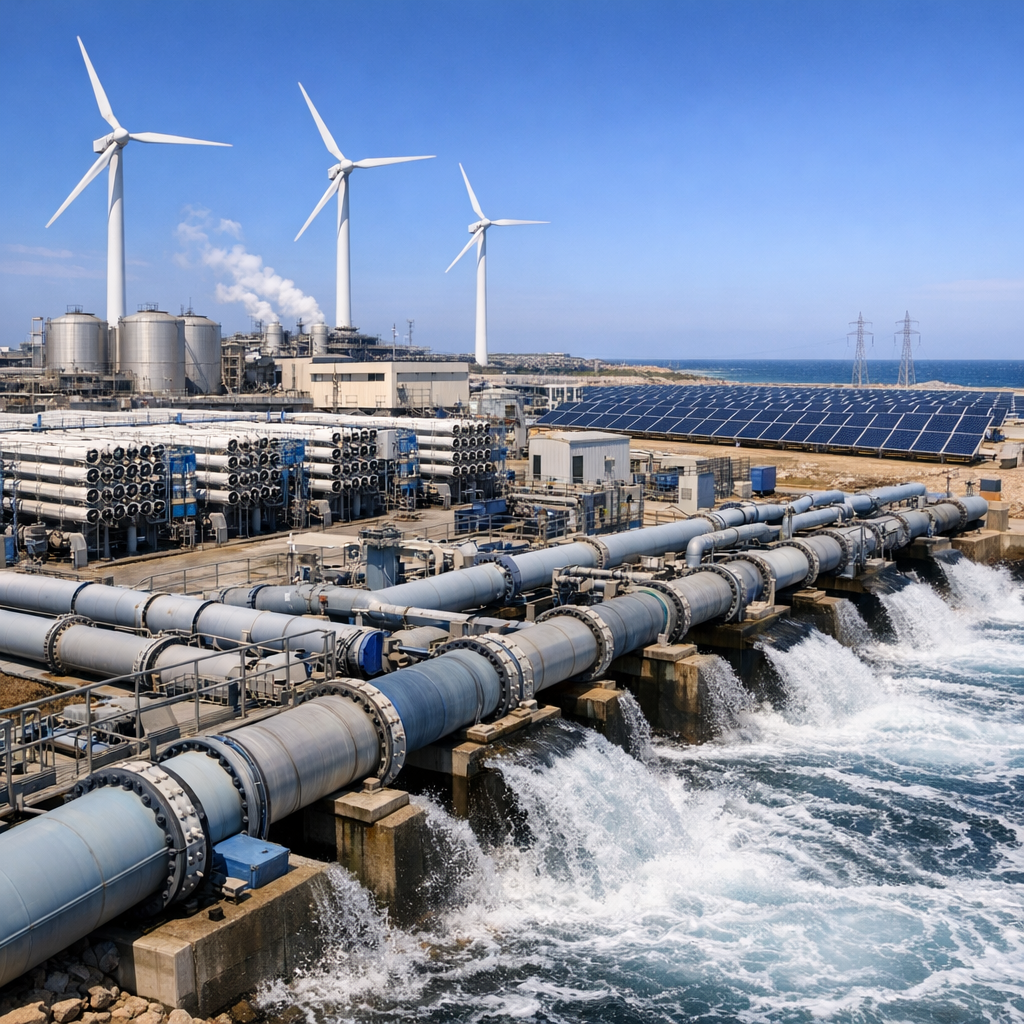
Desalination, the process of removing salt from seawater, has emerged as a viable solution to augment freshwater supplies. Traditional desalination methods are energy-intensive and costly. However, recent advancements aim to make the process more sustainable. For instance, researchers are exploring the use of wave power and other renewable energy sources to reduce reliance on fossil fuels in desalination plants. These innovations could make desalination a more environmentally friendly and economically feasible option for addressing water scarcity.
Atmospheric Water Harvesting
Another promising technology is atmospheric water harvesting, which involves extracting water vapor from the air. Inspired by natural systems, scientists have developed materials that can efficiently capture and condense atmospheric moisture, even in arid environments. This method offers a decentralized approach to water collection, potentially providing relief to regions lacking traditional water infrastructure.
Water Recycling and Reuse
Recycling wastewater is a critical strategy for conserving water resources. Advanced treatment processes can purify wastewater to standards suitable for various uses, including agriculture, industry, and even potable consumption. Cities like Singapore have successfully implemented large-scale water recycling programs, demonstrating the potential of this approach to enhance water security.
Smart Agricultural Practices
Agriculture accounts for approximately 70% of global freshwater withdrawals. Implementing water-efficient practices in farming can significantly reduce this demand. Techniques such as drip irrigation, soil moisture monitoring, and the cultivation of drought-resistant crop varieties can optimize water use in agriculture, ensuring food security while conserving water.
Community Engagement and Education
Local communities play a vital role in water conservation efforts. Public education campaigns can raise awareness about the importance of water conservation and encourage behaviors that reduce water waste. Community-led initiatives, such as river clean-ups and watershed management programs, can also contribute to preserving local water resources.
Addressing global water scarcity requires a multifaceted approach that combines technological innovation, sustainable practices, and community involvement. By embracing these solutions, we can work towards a future where access to clean and sufficient water is a reality for all.