

By Ava Martinez
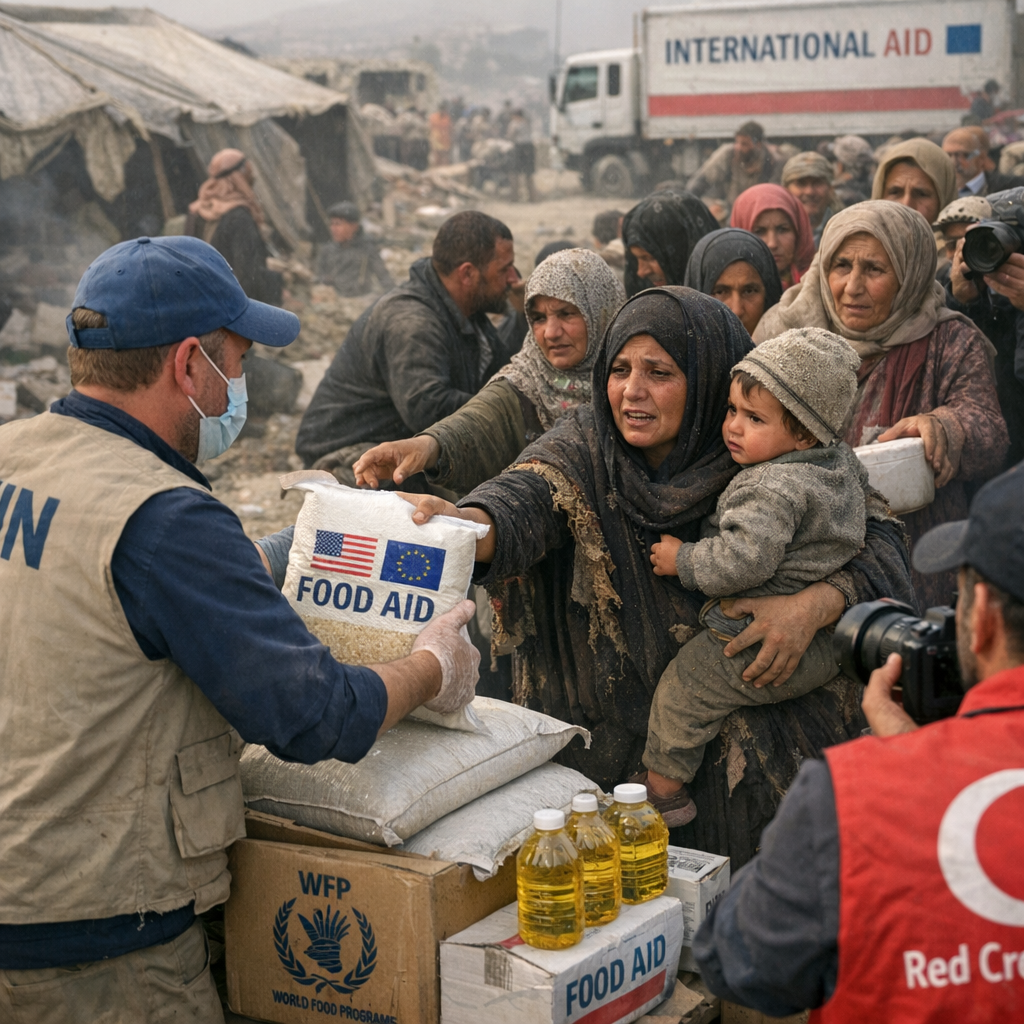
As someone far from international capitals, it’s easy to forget just how deeply connected we are to global challenges—and how global challenges can circle back here in Hotchkiss and beyond. One such challenge is food insecurity, which has worsened globally because of three main forces working together: conflict, climate change, and shrinking humanitarian aid.
What The Latest Reports Reveal
A mid-year report on global food crises shows that acute food insecurity remains extremely high in many parts of the world. Conflict in places like Yemen, Sudan, South Sudan, Afghanistan, and the Gaza Strip continues to uproot farmers, interrupt markets, and raise hunger risk. In addition, climate-driven weather extremes—unpredictable rains, droughts, crop loss—are hitting vulnerable regions especially hard.
The report warns that as El Niño takes hold, many regions are set to suffer more agricultural disruptions, especially in East Africa and southern countries where droughts and reduced pasture are becoming common. At the same time, funding to help is falling fast, even as needs climb.
Drivers Feeding the Crisis
1. Conflict and instability
Civil wars, cross-border disputes, and internal unrest destroy crops, displace communities, and block humanitarian aid. Conflicts in the Middle East, East and Central Africa are particularly damaging because they not only uproot local food systems, but also disrupt global supply chains.
2. Climate shocks and price pressures
Extreme weather—droughts, floods, heatwaves—and rising prices for staples and agricultural inputs (like fertilizer) are squeezing farmers and consumers. Many households already spending most of their income on food are being forced to cut meals, compromise nutrition, or sell essential assets just to survive.
3. Declining international aid
Even as crises intensify, aid budgets are shrinking. Humanitarian and development assistance from international donors have dropped, reducing capacity for food assistance, medical support, and rebuilding infrastructure in affected countries. Without external help, communities already fragile risk falling deeper into crisis.
Why Hotchkiss Should Care
It may seem distant, but when food shortages, crop failures, and export disruptions occur elsewhere, they ripple through global supply chains. We may see higher grocery bills, increases in prices for meat or produce, and our local farmers could face higher costs for feed or fertilizer. Beyond economics, it’s a call to global solidarity—what happens in Yemen, Sudan, or Afghanistan affects us all.
Paths Toward Relief and Resilience
Some strategies gaining traction include:
- Investing in resilient agriculture—drought-tolerant crops, sustainable farming practices.
- Strengthening food systems to reduce dependency on imports or long supply chains.
- Innovative funding mechanisms to support humanitarian agencies amid declining donor dollars.
- Policymaking that includes marginalized groups—especially women and rural populations—ensuring equitable access to nutrition.
Global hunger is not just a statistic. It’s driven by wars, climate change, and human choices. If we want to see healthier futures worldwide—and safeguard our own—then recognizing the causes, supporting solutions, and maintaining attention are essential.