

By Ava Martinez
Across borders and continents, a serious message is ringing out from climate scientists and diplomats: the world is edging past the 1.5°C global warming limit, a benchmark long held as essential for avoiding the gravest effects of climate change. Yet despite this urgency, current efforts—at international summits and negotiations—are still falling short of what science demands.
Limitation Exceeded, Pathways Narrowed
Findings from the United Nations show that the planet has lost its wide margin for staying under 1.5°C rise—some warming effects are now unavoidable. To meet that benchmark, the UN stresses, the world must rapidly deepen emission cuts and make clean energy the default choice. But the gap between what countries have pledged and what is needed is dangerously large.
Stalled Progress in Key Areas
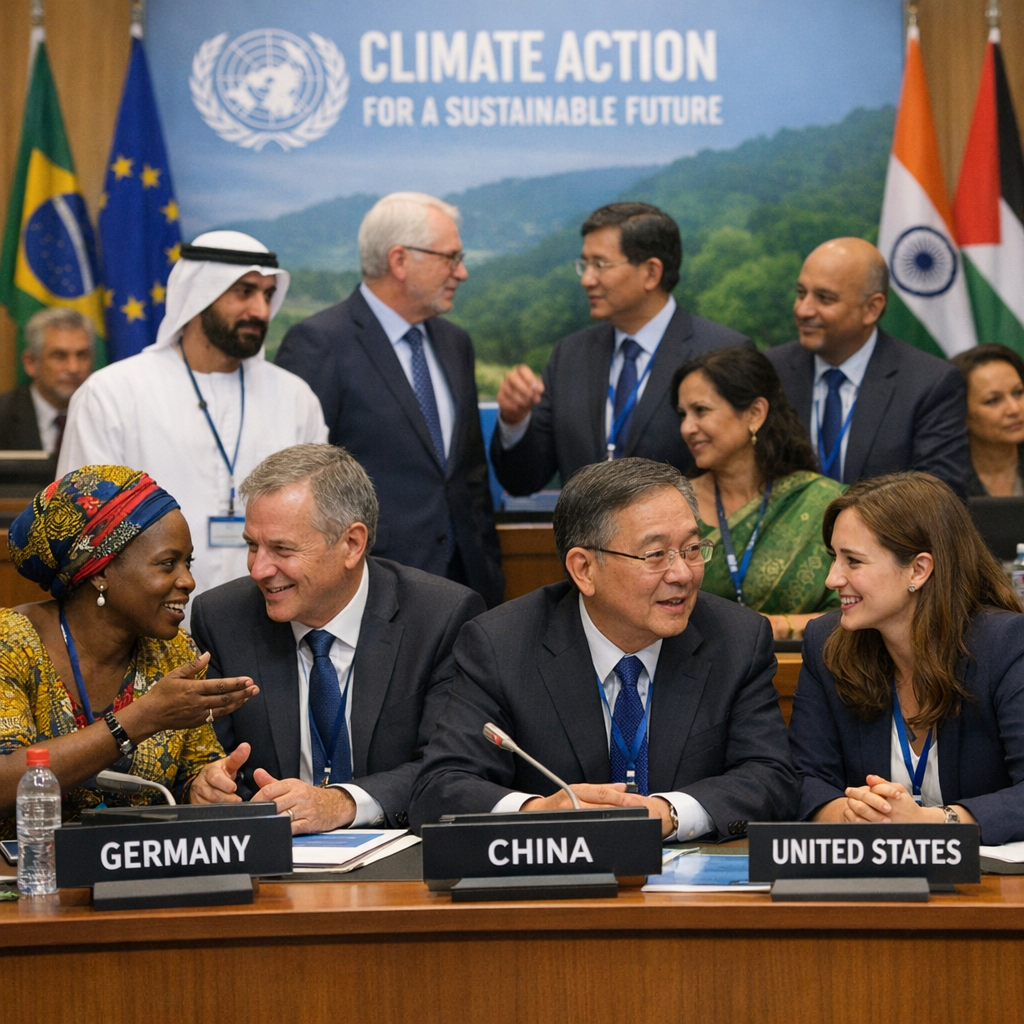
At the major climate negotiations held in Bonn earlier this year, delegates reached impasse on several critical matters: exactly how to finance climate adaptation for vulnerable countries, how to transition away from fossil fuels, and how to build a robust global goal on adaptation. Two areas did see progress—highlighting “just transition” strategies to protect labor and community well-being, and strengthening early frameworks for measuring climate resilience. But even these achievements were overshadowed by disagreements and a lack of binding outcomes.
Fossil Fuels and Finance
One major divide lies between developed and developing nations over who pays—not just through funds, but in technical and policy support—for the transition to clean energy. Developing countries, in particular, argue that existing commitments are insufficient and delivery is unreliable. Meanwhile, fossil fuel producers and influential coalitions continue to resist formal roadmap requirements to phase out fossil dependency.
The Role of Science—and Trust
Science has become a fault line in many talks. Tensions flare when references to the IPCC’s latest reports or targets like 1.5°C are challenged or minimized in formal texts—often under pressure from industries or political blocs with energy-sector interests. Many negotiators warn this erodes trust in the multilateral process just when credibility matters most.
What Comes Next?
Heads of state and negotiators are now focused on upcoming climate conferences, where decisions on mitigation and climate finance will need to be more than symbolic. The UN’s “global stocktake” process—measuring collective progress—aims for stronger, more coherent commitments. There’s also pressure to translate voluntary climate action and summit pledges into real policy, investment, and law.
For Hotchkiss and other communities across Colorado, the stakes are also local: higher wildfire risk, shifting water availability, changing growing seasons, and more extreme weather. Global agreements may be made far away, but their impacts hit close to home.
Ultimately, experts agree the moment demands action, not just words. Deep emissions cuts, greater support to vulnerable nations, and renewed respect for scientific reporting are essential if the planet is to steer back toward a safer climate future.