

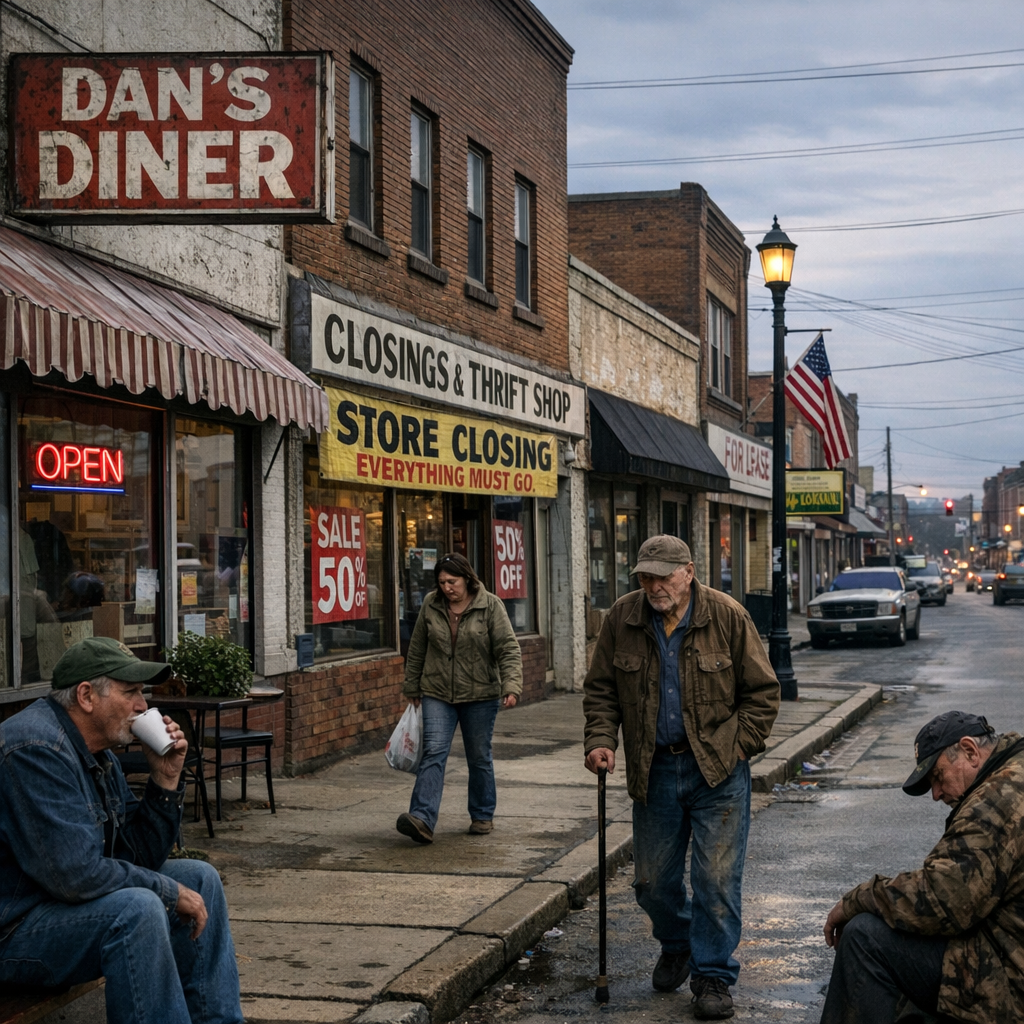
The U.S. economy has recently exhibited a mix of resilience and challenges, with key indicators such as GDP growth, inflation, and employment rates painting a complex picture.
GDP Growth and Economic Expansion
In the second quarter, the U.S. economy expanded at a 3% annual pace, rebounding from a first-quarter decline. This growth was bolstered by a significant drop in imports and modest increases in consumer spending. However, underlying factors, including the impact of tariffs and trade policies, have introduced uncertainties that may affect future growth trajectories.
Inflation and Consumer Prices
Inflationary pressures have shown signs of easing, with the Federal Reserve’s preferred inflation gauge rising at an annual rate of 2.1% in the second quarter, down from 3.7% in the first. Despite this moderation, consumers continue to face elevated prices in essential areas such as food and energy, which can strain household budgets.
Employment and Labor Market Dynamics
The labor market remains a focal point, with job openings largely unchanged in recent months. While the unemployment rate has remained relatively stable, wage growth has been sluggish, and certain sectors continue to experience labor shortages. These dynamics have implications for both workers and employers, influencing decisions on hiring, investment, and expansion.
Implications for Hotchkiss and Similar Communities
For communities like Hotchkiss, Colorado, these national economic trends have tangible local impacts. Fluctuations in energy prices can affect both household expenses and the viability of local businesses. Agricultural sectors may face challenges related to trade policies and market access, while the broader economic climate influences consumer confidence and spending patterns.
Staying informed about these developments is crucial for residents and business owners alike, enabling proactive responses to the evolving economic landscape.