

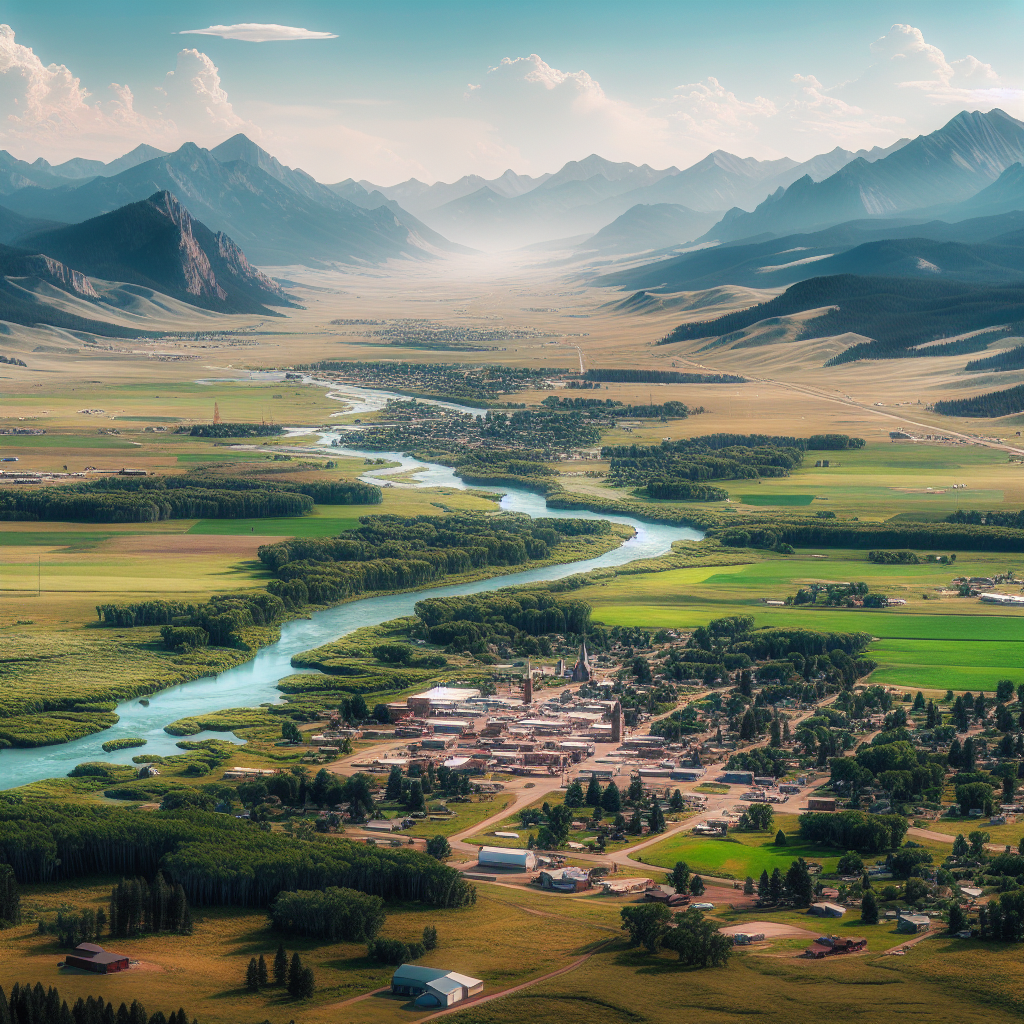
Hotchkiss, Colorado, nestled in Delta County, experiences a diverse climate characterized by distinct seasonal variations. Understanding these patterns is essential for residents and visitors alike.
Temperature Trends
Throughout the year, Hotchkiss’s temperatures fluctuate significantly. Winters are notably cold, with average low temperatures in January dipping to approximately 17.2°F (-8.2°C) and highs reaching around 39.7°F (4.3°C). Conversely, summers are warm, with July’s average highs peaking at 91.7°F (33.2°C) and lows around 58.6°F (14.8°C). This substantial range underscores the importance of seasonal preparedness.
Precipitation Patterns
Annual precipitation in Hotchkiss averages about 10.67 inches (271.02 mm). Rainfall is relatively evenly distributed throughout the year, with May typically being the wettest month, averaging 1.02 inches (25.91 mm) of precipitation. October follows closely, averaging 1.23 inches (31.24 mm). These patterns influence local agriculture and water resource management.
Frost Dates and Growing Season
The average last frost date in spring falls between April 11 and April 20, while the first frost in autumn occurs between October 11 and October 20. This results in an average growing season of approximately 174 days, a critical factor for local farmers and gardeners planning their planting schedules.
Environmental Considerations
Hotchkiss is situated within the Köppen Climate Classification BSk, indicating a cold semi-arid climate. This classification reflects the area’s limited precipitation and significant temperature variations. Additionally, the region has experienced periods of drought, with conditions ranging from moderate to severe. Such environmental factors necessitate mindful water usage and conservation efforts within the community.
By staying informed about these climatic and environmental patterns, residents can better prepare for seasonal changes and contribute to sustainable practices that support the local ecosystem.