

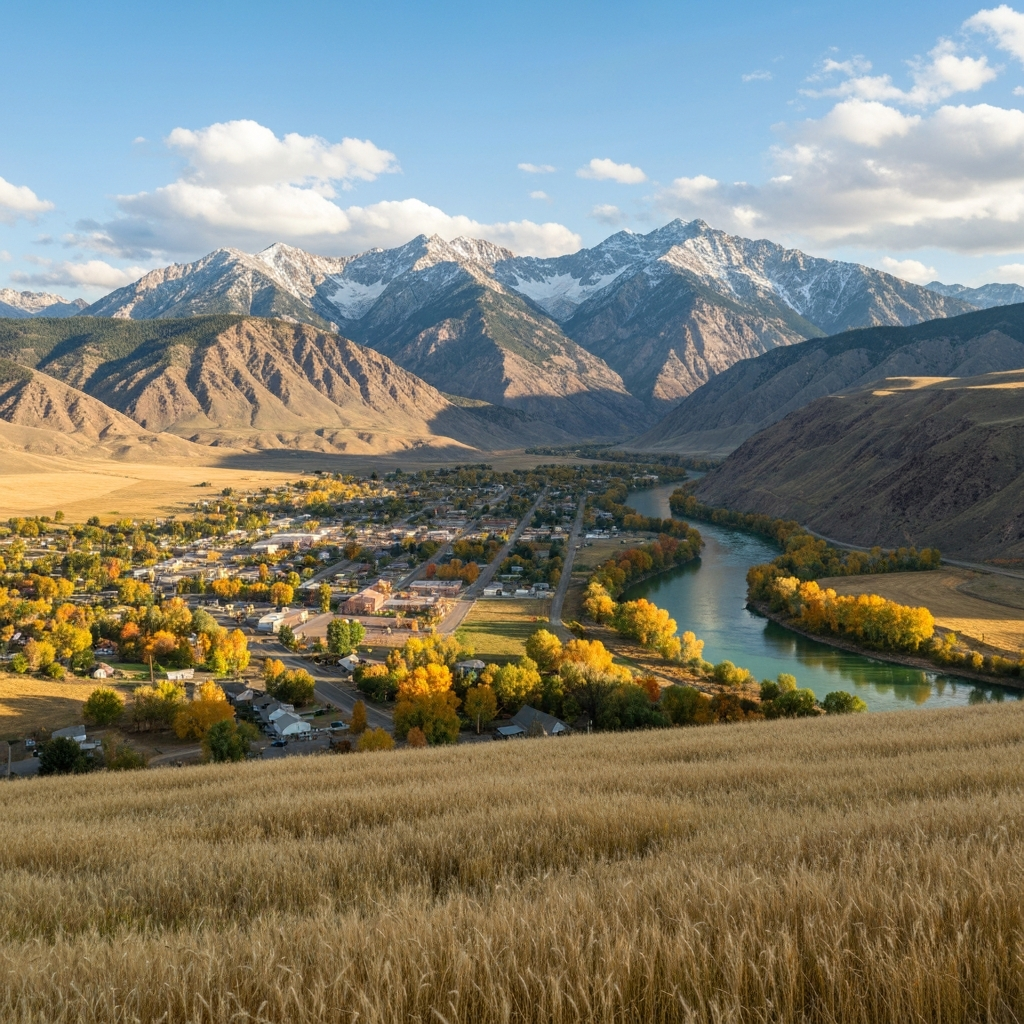
Hotchkiss, Colorado, nestled in the North Fork Valley, experiences a diverse climate characterized by distinct seasonal changes. Understanding these patterns is essential for residents and visitors alike.
Seasonal Temperature Variations
Throughout the year, Hotchkiss’s temperatures fluctuate significantly:
- Winter (December – February): Average high temperatures range from 28.2°F in January to 30.2°F in February, with lows dipping to around 9.9°F in January. These months are typically the coldest, often bringing snowfall and freezing conditions.
- Spring (March – May): As the season progresses, temperatures gradually rise. March sees average highs of 38.7°F, increasing to 57.9°F by May. Lows also climb from 20.7°F in March to 34.5°F in May.
- Summer (June – August): The warmest period, with July averaging highs of 76.6°F and lows around 50°F. August remains warm, with highs averaging 74.3°F.
- Autumn (September – November): Temperatures begin to cool, with September averaging highs of 67.8°F and lows of 41.9°F. By November, highs drop to 40.6°F, and lows reach 22.3°F.
Precipitation and Drought Conditions
Hotchkiss receives an average annual precipitation of approximately 10.67 inches. Rainfall is fairly evenly distributed throughout the year, with October being the wettest month, averaging 1.23 inches.
It’s noteworthy that the region has experienced varying drought conditions. As of February 2026, Hotchkiss was classified under moderate drought conditions.
Environmental Considerations
Hotchkiss falls within the Köppen Climate Classification of BSk, indicating a cold semi-arid climate. This classification reflects the area’s limited precipitation and significant temperature variations.
For gardeners and agricultural enthusiasts, Hotchkiss is situated in Plant Hardiness Zone 6b, with average minimum temperatures ranging from -5°F to 0°F. The average first frost date typically falls between October 11 and October 20, while the last frost date ranges from April 11 to April 20.
Understanding these climatic factors is crucial for planning agricultural activities, outdoor events, and daily life in Hotchkiss. Staying informed about local weather patterns and environmental conditions ensures preparedness and appreciation for the region’s unique climate.